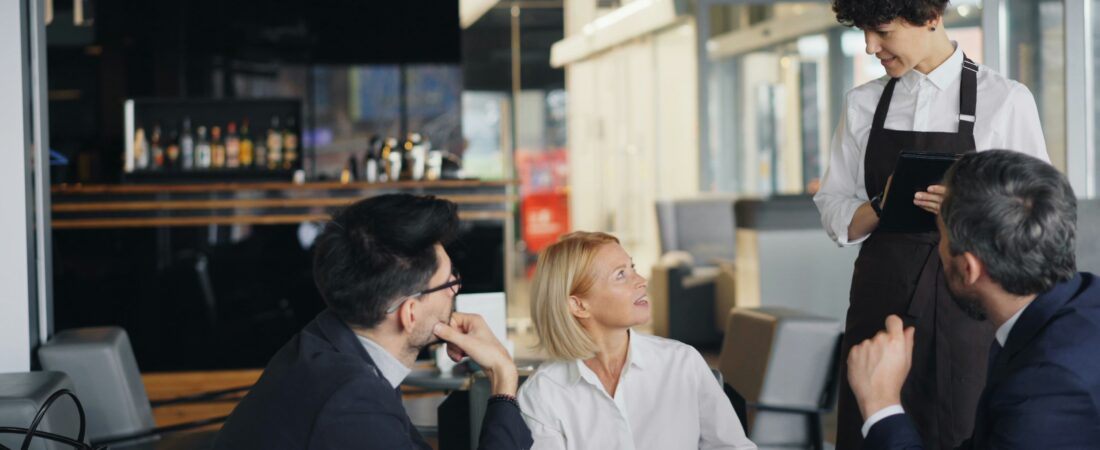
Hospitality is often described as a people business.
Restaurants, bars, hotels and events are built around creating positive experiences for guests. While technical skills are important, communication is often the difference between an average hospitality professional and an exceptional one.
The ability to communicate clearly, confidently and professionally can improve guest satisfaction, strengthen team relationships and accelerate career progression.
Whether you are a waiter, bartender, supervisor or manager, communication is one of the most valuable skills you can develop.
Why Communication Matters In Hospitality
Every day, hospitality professionals communicate with:
- Guests
- Colleagues
- Managers
- Suppliers
- New team members
Poor communication creates mistakes, delays and frustration.
Good communication improves service, increases efficiency and helps create a positive atmosphere for both guests and staff.
In many cases, guests remember how they were treated more than the food or drinks they received.
Active Listening
Many people focus on speaking.
Great communicators focus on listening.
Active listening means paying full attention to the person speaking rather than simply waiting for your turn to respond.
In hospitality, active listening helps you:
- Understand guest requests correctly
- Identify problems early
- Avoid misunderstandings
- Build stronger relationships
Simple habits such as maintaining eye contact, asking clarifying questions and repeating important information can dramatically improve communication.
Speaking Clearly And Confidently
Guests appreciate clear communication.
Speaking too quietly, using unclear language or appearing uncertain can create confusion.
Good hospitality professionals learn to:
- Speak clearly
- Maintain a professional tone
- Use positive language
- Adapt their communication to different guests
Confidence does not mean sounding arrogant.
It means communicating information in a calm and professional manner.
Reading Non-Verbal Communication
Communication is not only verbal.
Body language often communicates more than words.
Guests can often tell if someone is:
- Confident
- Nervous
- Interested
- Frustrated
- Distracted
Strong hospitality professionals pay attention to:
- Facial expressions
- Eye contact
- Posture
- Tone of voice
Understanding non-verbal communication helps improve guest interactions and team relationships.
Handling Difficult Conversations
Every hospitality professional eventually faces difficult conversations.
Examples include:
- Guest complaints
- Team conflicts
- Performance issues
- Service mistakes
Avoiding difficult conversations usually makes situations worse.
Professional communicators remain calm, listen carefully and focus on finding solutions rather than assigning blame.
The goal is not to win an argument.
The goal is to resolve the problem.
Communication During Busy Service
Pressure often reveals communication weaknesses.
During busy periods, information must be communicated quickly and accurately.
Good communication during service includes:
- Clear instructions
- Confirming information
- Keeping messages concise
- Avoiding assumptions
Small communication mistakes can quickly become larger operational problems when service is under pressure.
Adapting To Different Guests
Not every guest communicates in the same way.
Some guests enjoy conversation.
Others prefer efficiency and privacy.
Some guests have extensive knowledge.
Others need additional guidance.
The best hospitality professionals adapt their communication style to suit the guest rather than using the same approach for everyone.
Flexibility improves the overall guest experience.
Communication And Leadership
As hospitality professionals progress into leadership positions, communication becomes even more important.
Managers spend a large portion of their time:
- Giving feedback
- Training staff
- Conducting meetings
- Resolving conflicts
- Setting expectations
Strong leaders communicate clearly and consistently.
They make sure everyone understands the goals, standards and expectations of the business.
Poor communication from leadership often leads to confusion and reduced team performance.
Common Communication Mistakes
Many hospitality professionals unintentionally damage communication by:
- Interrupting others
- Making assumptions
- Using negative language
- Failing to listen
- Avoiding difficult conversations
- Becoming defensive when receiving feedback
Recognising these habits is the first step towards improvement.
How To Improve Your Communication Skills
Communication is a skill that improves through practice.
You can improve by:
- Listening more carefully
- Asking better questions
- Seeking feedback
- Observing experienced leaders
- Reading about communication techniques
- Practising difficult conversations
Small improvements made consistently over time can have a significant impact on your career.
Final Thoughts
Technical hospitality skills may help you secure a job, but communication skills often determine how far your career can progress.
The ability to communicate effectively improves guest experiences, strengthens teams and creates leadership opportunities.
Whether you are just starting your hospitality journey or preparing for management responsibilities, investing in communication skills is one of the smartest career decisions you can make.
Great hospitality begins with great communication.